Solution Guide
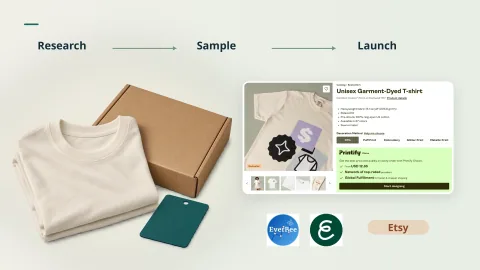
Launch a lean Etsy print-on-demand shop
Launch an Etsy print-on-demand operation with a narrow product family, a validated supplier, controlled listings and enough cash for fulfillment.
Read article →
The 2024 Printful–Printify merger led to the FYUL parent organization. What sellers can verify about the combined group, separate platforms and the operational decisions that still matter in 2026.
If my shop already had a reliable supplier and order flow, I’d leave it in place. I’d look for a concrete change to pricing, integrations or fulfillment that affects my own catalog before moving anything. The merger announcement alone gives me no reason to ask customers to take on a migration.
On November 5, 2024, Printful and Printify announced their merger. Their announcement said the platforms would continue as distinct brands. The date matters: this is not breaking news in November 2026. The January 9, 2026 FYUL anniversary announcement describes Printify, Printful and Snow Commerce coming together under the unified FYUL organization.
FYUL’s current corporate site lists Printify and Printful within the group. Printful’s 2026 platform comparison still describes separate catalogs, prices and dashboards. The group has also described shared supply-chain governance through a common supplier code of conduct. These are distinct layers of change: corporate and policy integration can happen without combining merchant-facing accounts.
NOV 5, 2024 Merger announced Distinct brand operations; JAN 9, 2026 FYUL anniversary Unified corporate identity; 2026 REVIEW Separate platforms Catalog, price and dashboard
A group-level merger does not demonstrate that a Printify SKU is available with the same Printful print method, that a discount transfers between accounts, or that an Etsy order mapped to one integration will route to the other. Those claims require specific documentation and account-level verification.
I would continue to compare the two platforms against the same variant, shipping destination and order workflow. The 2026 vendor materials support continued platform distinction, but they do not establish identical pricing, production times, refunds, service quality or future product roadmaps. There is no independent operational benchmark in this update.
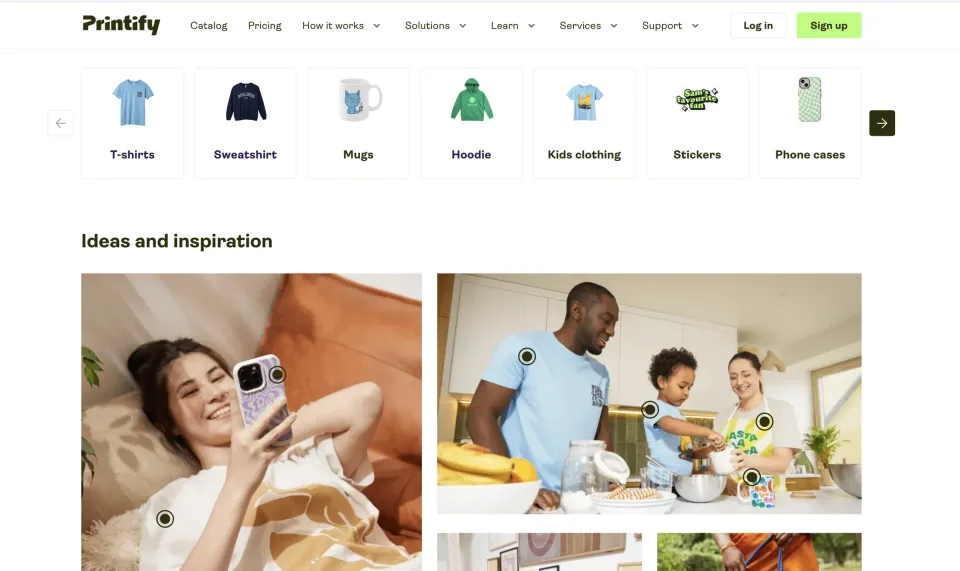
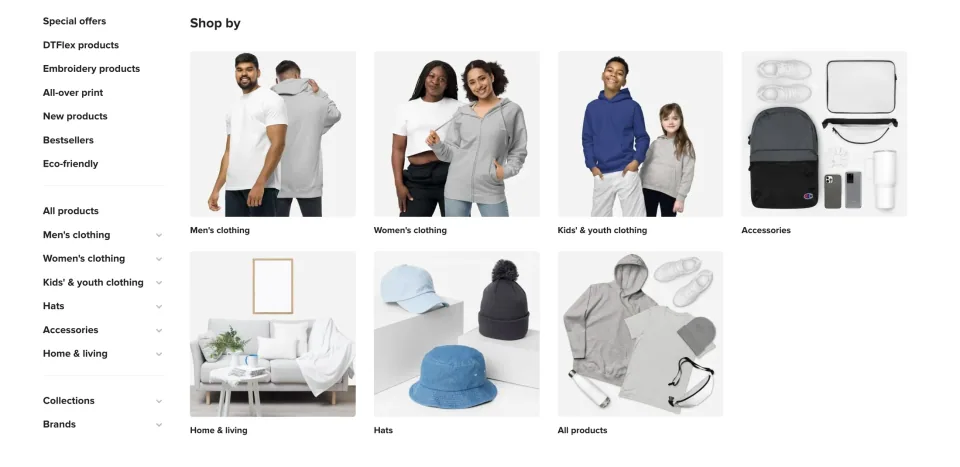
FYUL parent group connects two distinct merchant brands, each with its own catalog, pricing and dashboard.
If your current provider works, leave the existing order mappings intact and keep checking notices for the account you use. If you are evaluating a backup, order samples through the candidate platform and price the delivered item. A backup connection must not send the same order to two providers.
For an agency or multi-channel merchant, document which account handles billing, customer issues, tracking and inventory mappings. Review any changed terms before moving workloads. A supplier change needs a specific benefit and a reversible migration plan; the merger alone supplies neither.
The practical result is simple. Keep comparing products and workflows as they are actually offered today, and update the operating plan when a vendor announces a concrete change that affects your shop.
Vendor documentation and SellerPlanKit product evidence dated November 26–27, 2026. Prices are reference amounts, not account-specific quotes. Examples are explicitly illustrative. No new paid-account testing, performance benchmark or numeric rating is claimed.
Launch an Etsy print-on-demand operation with a narrow product family, a validated supplier, controlled listings and enough cash for fulfillment.
Read article →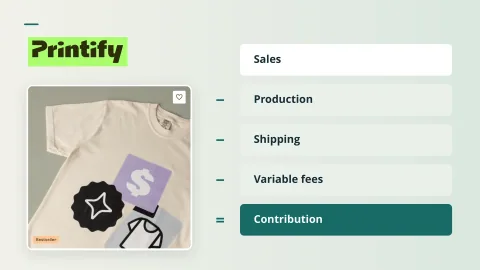
Calculate contribution per POD order after production, shipping and variable fees. Use it to test retail prices and subscription decisions without confusing sales with profit.
Read article →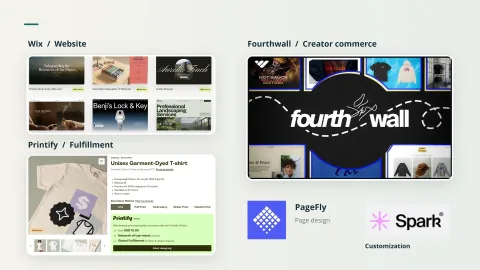
Five tools for five distinct seller bottlenecks: website building, fulfillment, creator commerce, Shopify page design and Squarespace customization.
Read article →